Tarragon
Artemisia dracunculus
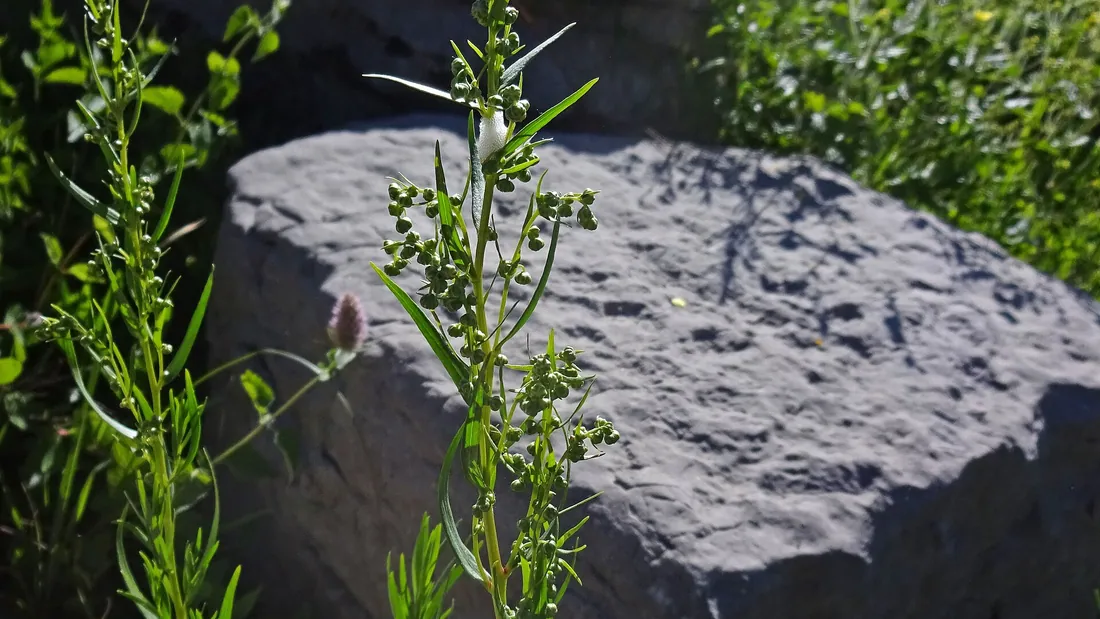

Tarragon (Artemisia dracunculus) is an aromatic perennial with an aniseed scent, a cornerstone of French cooking. The variety you want, French tarragon, produces no viable seeds: it can only be propagated by root division or cuttings. The plant tolerates cold down to USDA zone 4 but above all fears winter dampness. It disappears completely above ground during the cold season and grows back from the crown in spring.
Light and exposure
Tarragon wants full sun, at least six hours of direct sunlight. Give it the warmest, brightest spot in the vegetable garden. It is in the sun that it concentrates the essential oils responsible for its aniseed flavour; in the shade, it grows leggy, thins out and turns bland.
In a pot, choose a well exposed spot on the terrace. Growing in a pot has real value: it lets you bring the plant into a dry, cold place for winter, sheltered from the rains that make it rot in open ground.
Watering
Tarragon copes poorly with excess water. Water moderately, only when the soil is dry on the surface, and always let the soil drain between two waterings. A plant settled in open ground usually makes do with rain once it is rooted; it tolerates drought well.
In a pot it is trickier because the substrate dries out fast in summer but holds water in autumn. Water at the base, never on the foliage, and always empty the saucer. A tarragon that yellows and goes soft at the base is almost always a tarragon watered too much, not too little.
Soil and repotting
The ideal soil is light, free draining and rather poor. Tarragon comes from the steppes, it hates heavy, clayey, waterlogged soils that rot its crown. If your soil is compact, lighten it with coarse sand and gravel, and plant on a small mound so the water drains away.
At planting, forget the generous compost: soil that is too rich gives soft foliage, less fragrant and more sensitive to cold. In a pot, mix potting soil with a third of sand or perlite, over a good layer of clay pebbles. Plant a young plant bought in a small pot in spring, never a seedling from seed.
Temperature and humidity
French tarragon is semi hardy: the species is rated for USDA zones 4 to 8, that is winter lows of around -30 °C, but that hardiness only holds on well drained soil. It takes frost without any problem once dormant, while it is winter dampness that kills it, not dry cold. A mild, rainy winter is more fatal to it than a good frost on well drained soil.
The critical point is therefore drainage combined with mulch. As winter comes in, once the stems have browned, earth up and mulch the plant generously with dead leaves or dry straw to keep the crown warm and dry. On heavy soil or during a particularly rainy winter, it is better to bring the pot into a cold, dry, frost free room rather than risk losing the plant.
Pruning and upkeep
Harvest the stems regularly from May to September: this stimulates regrowth and keeps the clump compact. Cut above a leaf, take what you need and do not wait for flowering, which weakens the scent. French tarragon flowers little and its flowers come to nothing anyway.
At the end of the season, when the aerial part dries and turns brown, cut the dead stems back to ground level before mulching. In spring, a light clean up is enough to let the new shoots come through. An important point for the plant’s longevity: divide the crown every three years, because the clump exhausts itself and becomes woody at the centre.
Pests and diseases
Tarragon is tough, its troubles almost all come from dampness. Root and crown rot is the real risk in a damp climate: on heavy or overwatered soil, the crown blackens and goes soft, often in autumn or coming out of winter. Rust, a fungus that marks the underside of the leaves with orange pustules, appears in mild, damp weather, especially on crowded, poorly aired plants.
Prevention comes down to three actions: free draining soil, measured watering at the base, and enough spacing for air to circulate. As for pests, slugs nibble the tender young shoots in spring, and aphids may settle on the stems in summer; a jet of water or black soap deals with them.
Propagation
Remember first what does not work: sowing from seed. French tarragon produces no viable seeds. The packets of tarragon seeds sold in shops are Russian tarragon, another plant, hardier but completely without flavour in cooking. This is the classic trap; always buy a young plant in a small pot, never seeds.
Real propagation is done by root division, in spring or early autumn: dig up the clump, split it into pieces bearing roots and replant at once. This is also the action that regenerates an old plant. Taking stem cuttings in summer, in a sandy mix kept barely moist, also works and gives new plants true to the mother plant.
Climate and hardiness
Where and in which climate it thrives
French tarragon is rated hardy in USDA zones 4 to 8, that is winter lows down to around -30 °C, but the figure means nothing on its own: its hardiness depends entirely on drainage. Cold does not kill it, it is the water standing around the crown through a rainy winter that makes it rot. On heavy, damp soil the plant often disappears for good in the depths of the cold season, without anyone understanding why.
In a mild, rainy oceanic climate the risk is therefore at its highest even though the thermometer stays kind: drain the soil at planting, set the plant on a slight mound, earth up and mulch the base as winter comes in, and on heavy soil grow it in a pot so you can bring it into a cold, dry, frost free room. In a continental climate with a cold, dry winter, snow and frost do not worry it and a simple mulch is enough; there it is the short summer that limits the harvest. In a hot climate with mild winters, beyond zone 8, the problem reverses: deprived of the cold rest it needs, the plant exhausts itself, turns woody and loses its scent within two or three years, and it is better treated as a plant to renew regularly from cuttings. Dry summer heat, on the other hand, does not bother it: it grows best between 20 and 29 °C.
Two traps lie in wait everywhere. The first is buying seeds: it will be Russian tarragon, flavourless, a guaranteed disappointment. Get a young plant of French tarragon in a small pot, in spring, from a nursery. The second is losing the plant to excess winter dampness rather than to frost. The cycle itself is simple: the aerial part dries out and disappears in autumn, the plant grows back from the crown in spring, sometimes late, and the harvest runs right through the growing season. Every three years, divide the crown to regenerate a clump that is starting to exhaust itself and turn woody, and you will keep the same tarragon for years on end.
Growing tarragon?
Green Hub keeps a dated history of your own plant: its photos, its progress, its repottings. An AI answers about yours specifically, not a generic sheet, for free.
Identify my plantMonth-by-month care calendar
| January | Nothing to do. The plant sleeps under its mulch, the aerial part has disappeared. Just check that water is not stagnating around the crown. |
|---|---|
| February | Winter rest. If you have brought in a pot, keep it cold, dry and barely watered, in a frost free room. |
| March | Nothing grows yet but it is coming. Prepare the spot, lighten the soil with sand if it is heavy. This is the month to spot a good young plant in a small pot. |
| April | Regrowth. The plant comes back from the crown. Remove the mulch, clean up the dead stems. Plant a new French tarragon plant bought in a small pot, never seeds. |
| May | The clump fills out. Start harvesting the young shoots. You can divide an old crown to regenerate it and obtain new plants. |
| June | Full growth. Harvest regularly, it stimulates regrowth. Water only in case of prolonged drought, at the base. |
| July | Generous harvest for the kitchen. You can take a few stem cuttings in a barely moist sandy mix. Watch out for slugs and aphids. |
| August | The harvest continues. Air out clumps that are too crowded to avoid rust in damp weather. Freeze or dry the surplus leaves. |
| September | Last harvests. You can still divide a crown early in the month to give it time to root before winter. |
| October | The plant slows down, the foliage starts to yellow. Space out the watering, let the crown go into dormancy naturally. |
| November | Cut the dry stems back to ground level. Earth up and mulch the base generously with dead leaves or straw. On heavy soil, bring the pot into the dry. |
| December | Full dormancy. The plant is invisible above ground. Make sure the mulch stays in place and that water does not build up at the crown. |
Green Hub tips
- Never buy tarragon seeds: it will be Russian tarragon, flavourless. Get a French tarragon plant in a small pot, from a garden centre.
- What kills tarragon is water, not cold. Drain the soil and mulch the base as winter comes in to get it through the cold season.
- Divide the crown every three years in spring. The clump exhausts itself and turns woody at the centre, division regenerates it and gives you new plants.
- On heavy, damp soil, grow it in a pot: you will be able to bring it into the dry and cold in winter rather than risk losing the plant.
Related species
Artichoke
Cynara scolymus
The artichoke (Cynara scolymus) is a large perennial with silvery, deeply cut foliage, as striking in an ornamental…
Coneflower
Echinacea purpurea
Coneflower (Echinacea purpurea) is a tall, sturdy perennial from the prairies of North America, recognisable by its…
Dahlia
Dahlia
The dahlia (Dahlia) is a tuberous plant that offers one of the longest and most spectacular displays of the summer…
Lettuce
Lactuca sativa
Lettuce (Lactuca sativa) is the most widely grown salad in the vegetable garden, easy and quick, harvested six to ten…
Oxeye Daisy
Leucanthemum vulgare
The oxeye daisy (Leucanthemum vulgare) is that white flower with a yellow centre that pops up on its own in our…
Witloof chicory
Cichorium intybus var. foliosum
Witloof (Cichorium intybus var. foliosum), the forced chicory better known as endive or chicon, is grown in two stages:…
The guides that mention it
Updated on
How this sheet is written
Written for Green Hub with the help of language models, then reviewed. It offers gardening guidance, not professional advice: if you are unsure whether a plant is toxic to a child or an animal, ask a vet, a doctor or your national poison centre.