Dahlia
Dahlia
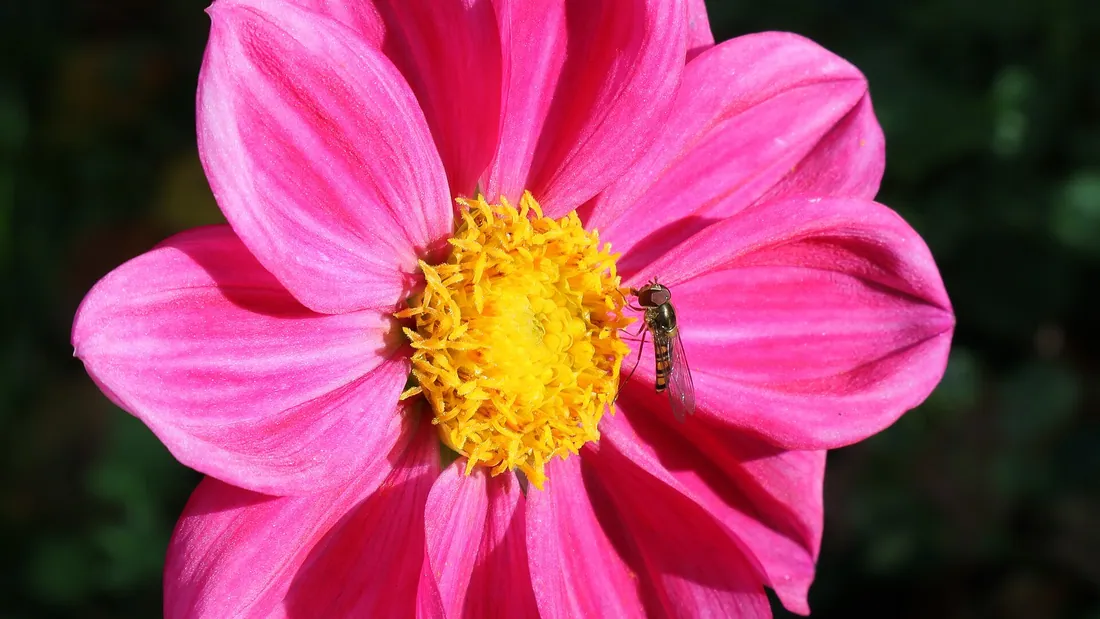

The dahlia (Dahlia) is a tuberous plant that offers one of the longest and most spectacular displays of the summer garden, from high summer until the first autumn frosts. Its weakness: it is frankly frost tender. The slightest frost destroys tubers left in the ground. In any climate that freezes the rule is therefore clear, you plant two to three weeks after the last frosts, and you lift the tubers in autumn to keep them dry and frost free all winter.
Light and exposure
The dahlia demands full sun. Give it the brightest and warmest spot in the garden, with at least six hours of direct sun a day. That is the condition for abundant flowering and nicely upright stems.
In shade or in a spot that is too cool it runs up tall, flowers sparsely and flops. An open, airy position also helps limit the powdery mildew that readily settles in late in the season in a damp climate.
Watering
This is a plant with a big appetite for water throughout its growth. Water regularly and generously right through the growing season, especially in hot dry weather, aiming at the base rather than the foliage. A dahlia short of water slows its flowering and makes smaller flowers.
Be careful though at the very start, just after planting: the freshly set tuber rots easily if it sits in cold damp. Water sparingly until the first shoots appear, then move to a more generous regime once the plant really gets going.
Soil and repotting
The dahlia wants a rich, deep soil, well worked and above all well drained. Enrich the planting area with mature compost or well rotted manure, it has large needs to sustain flowering that lasts for months.
Drainage is decisive, especially for tubers left in the ground where the climate allows it. On heavy clay soil, lighten with compost and coarse sand, or plant on a small mound to keep excess moisture away from the crown.
Temperature and humidity
The critical point. The dahlia is a plant of the Mexican highlands, it likes warmth and tolerates no frost. A tuber left outside is destroyed as soon as the soil freezes, and the foliage blackens at the first frost.
This frames the calendar on both sides: you plant only two to three weeks after the last frosts, once the soil reaches 15 degrees, and you lift as soon as the first frost has blackened the foliage. In between, it makes the most of a mild summer, provided it has sun and water.
Pruning and upkeep
Two actions extend and thicken the flowering. Pinch the main stem above the third or fourth pair of leaves when the young plant is 30 to 40 cm tall: it then branches and gives many more flowers. Next, remove spent flowers regularly, cutting the stem back to the first bud or a leaf, to keep production going until the frosts.
The large varieties, especially the big flowered dahlias, have heavy stems that snap in wind and rain. Put in a strong stake right at planting, before the clump develops, and tie the stems in as they grow.
Pests and diseases
Slugs and snails are the first enemy, formidable in spring on the tender young shoots they can devour in a single night as they emerge from the soil. Watch closely at this stage, protect the young plants and gather them in the evening after rain.
Late in the season, powdery mildew often appears, a white felting on the leaves favoured by the humidity and temperature swings of late autumn. Open up the clumps well, water at the base and remove affected leaves. Aphids can also colonise the young shoots and buds, to watch for in early summer.
Propagation
Dividing the tubers at the end of storage is the simplest method. A few weeks before planting, split the clump into pieces each bearing a section of crown with at least one visible bud (an eye), because that is where the new stem starts. A piece with no eye will give nothing.
Taking cuttings is possible to multiply a fine variety: start a tuber in warmth six to eight weeks before your planting date, and take the young shoots of 5 to 8 cm to root them. Growing from seed also exists but does not reproduce varieties faithfully, it is mostly reserved for dwarf dahlias from mixtures.
Climate and hardiness
Where and in which climate it thrives
The dahlia has no frost hardiness at all: the foliage blackens at 0 degrees and the tuber is destroyed as soon as the soil freezes. In the open ground it only overwinters from USDA zone 8 upwards, and really reliably only in zone 9 and beyond. Everywhere else it is a plant you lift and store dry.
The cycle is the same in every climate, only the calendar moves. Plant the tubers two to three weeks after your average last frost date, once the soil has reached 15 degrees. To get a head start you can pot them up in warmth six to eight weeks earlier and transplant them once the risk has passed. In autumn, as soon as the first frost has blackened the foliage, cut the stems, lift, clean, let them dry off for a few days, then store them between 5 and 10 degrees in a crate of peat or dry sand.
In a mild, damp oceanic climate it makes its finest clumps, but powdery mildew settles in late in the season, and lifting stays safer than mulching: a wet winter rots the crown even without severe cold.
Under hot dry summers, water deeply and give shade in the fiercest hours: above 30 degrees, bud set slows right down and picks up again when the heat drops.
In zones 9 to 11 it can be left in place under a thick mulch, provided the soil drains perfectly.
Growing dahlia?
Green Hub keeps a dated history of your own plant: its photos, its progress, its repottings. An AI answers about yours specifically, not a generic sheet, for free.
Identify my plantMonth-by-month care calendar
| January | The tubers sleep in the cellar or garage, dry and frost free. Check them now and then and throw out any that soften or go mouldy. Leaf through the catalogues to choose the varieties. |
|---|---|
| February | Still in storage. Check that the peat or sand used for keeping stays dry. Order new tubers if you are adding to the collection. |
| March | You can start the tubers in warmth indoors, in a pot barely covered with potting soil, to bring the flowering forward. It is also the moment to take cuttings from the shoots that emerge. |
| April | Continue starting them in warmth. Divide the large clumps into pieces each bearing a visible eye. Put nothing out in the garden, it still freezes at night. |
| May | Harden off the plants started early by putting them out during the day. Plant in the garden only after mid-May, once the frosts have passed. Put the stake in as you plant. Protect the young shoots from slugs. |
| June | The plant gets going. Pinch the main stem to make it branch. Move to more generous watering and watch for slugs and aphids on the tender shoots. |
| July | Start of the great flowering. Water copiously in hot weather, apply a potash rich feed. Tie the stems to the stake and remove the first spent flowers. |
| August | Full flowering, the peak of the season. Keep watering, feeding and removing spent flowers to keep production going without let up. Cut bouquets without hesitation, it stimulates the plant. |
| September | Flowering stays generous. Watch for powdery mildew that appears with the humidity of late autumn, open up the clumps and remove affected leaves. Keep enjoying the flowers. |
| October | Flowering until the first frosts. As soon as frost has blackened the foliage, cut the stems, lift the tubers, clean them and let them dry off for a few days under cover. |
| November | Bring in the well dried tubers to the cellar or garage, in a crate with peat or dry sand, dry and frost free. Label the varieties so you can find your way. |
| December | Rest. The tubers overwinter safe from frost. Throw out without hesitation any that rot so they do not contaminate the others. Dream already of next year’s borders. |
Green Hub tips
- Never plant before the last frosts have passed: the dahlia is frost tender and the slightest late frost destroys the tuber. Allow two to three weeks of margin, the time it takes for the soil to warm up.
- In autumn, wait until the frost has blackened the foliage, then lift the tubers, clean them and keep them dry and frost free in a crate of peat or dry sand.
- Pinch the main stem when the plant is 30 to 40 cm tall: you will get a branched clump and many more flowers.
- Remove spent flowers as you go, the flowering restarts and carries on until the frosts.
- Put the stake in right at planting and protect the young shoots from slugs, which are greedy on dahlias in spring.
Related species
Artichoke
Cynara scolymus
The artichoke (Cynara scolymus) is a large perennial with silvery, deeply cut foliage, as striking in an ornamental…
Coneflower
Echinacea purpurea
Coneflower (Echinacea purpurea) is a tall, sturdy perennial from the prairies of North America, recognisable by its…
Lettuce
Lactuca sativa
Lettuce (Lactuca sativa) is the most widely grown salad in the vegetable garden, easy and quick, harvested six to ten…
Oxeye Daisy
Leucanthemum vulgare
The oxeye daisy (Leucanthemum vulgare) is that white flower with a yellow centre that pops up on its own in our…
Tarragon
Artemisia dracunculus
Tarragon (Artemisia dracunculus) is an aromatic perennial with an aniseed scent, a cornerstone of French cooking. The…
Witloof chicory
Cichorium intybus var. foliosum
Witloof (Cichorium intybus var. foliosum), the forced chicory better known as endive or chicon, is grown in two stages:…
The guides that mention it
Perennial Flowers: Choosing, Planting and Blooming Without a Gap All Season
What genuinely comes back year after year, how to read hardiness by zone rather than by promise, and how to string…
Overwintering your plants without losing them
Clivia, lavender, verbena, geranium, olive: which to bring indoors, which to protect outside, which to leave to face…
Vegetable Garden Pests: The Natural Method That Holds All Season
A leaf riddled with holes, a lettuce shaved to the ground overnight, a twisted and sticky shoot: every kind of damage…
Lawn Care: From Seeding to Mowing, and Renovation
Mowing higher changes more than any fertilizer can: turf density, drought resistance, weeds, moss. Everything else in…
The Cutting Garden: How to Pick Flowers and Make Your Bouquet Last
Dahlias, peonies, hydrangeas: what separates a flower that lasts ten days in a vase from one that droops by the next…
Which Garden Flowers Are Edible, and How to Cook With Them
From flower bed to plate: the flowers that are genuinely edible, the harvesting method that preserves their flavour,…
Designing your garden by colour: the combinations that work
Warm harmonies, cool harmonies, monochrome schemes or bold contrasts: colour changes everything in a garden, from the…
Updated on
How this sheet is written
Written for Green Hub with the help of language models, then reviewed. It offers gardening guidance, not professional advice: if you are unsure whether a plant is toxic to a child or an animal, ask a vet, a doctor or your national poison centre.