Viburnum
Viburnum
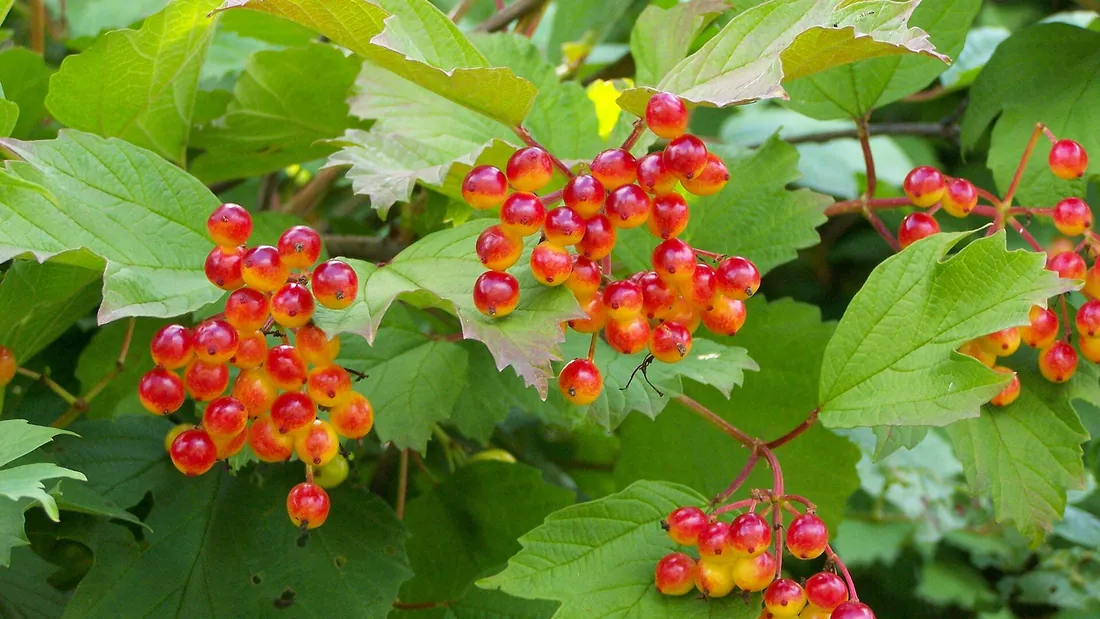

Viburnum is not one plant but a whole family of more than a hundred and fifty shrubs, broad enough to cover almost every situation in the garden. It includes evergreens that flower in the depths of winter, deciduous species that scent the air when everything else is bare, and the well known snowball bush that bursts into white in spring. Several species are native to the hedgerows of temperate Europe, which makes this a remarkably easy genus to grow in a temperate climate.
Light and exposure
Viburnum copes with anything from full sun to partial shade, which makes it a real all-rounder. Winter-flowering species such as laurustinus or the Bodnant viburnum benefit from a sheltered spot near the house or along a path, where you can enjoy their flowers and scent on the coldest days. Hedgerow species like the guelder rose take an open, windy position in their stride.
In partial shade, under a tree or against a wall that never gets the midday sun, most viburnums keep a good shape, even if flowering is sometimes a touch less generous than in full sun. That is a real asset in an enclosed garden, or one ringed by hedges and large trees, where few flowering shrubs accept so little light.
Watering
Once established, viburnum is more than happy with the rainfall of a temperate climate and needs almost no extra watering. The first year after planting is the sensitive period: water regularly, especially through a dry spring or summer, until the roots have properly settled into the soil.
In a pot, keep a closer eye on the compost, which dries out faster than open ground. A thorough watering once or twice a week through the warm season is usually enough, as long as you never let water sit in the saucer.
Soil and repotting
Viburnum is not fussy about soil type. It grows equally well in acid or chalky ground, which explains why you find it in such different settings, from farmland hedgerows on loamy soil to dry chalk slopes. It does, however, prefer soil that stays moist and drains well, with plenty of organic matter.
Mulching around the base with dead leaves or well-rotted compost helps keep the soil cool through the warm season and cuts down on competition from weeds, particularly useful in the first year after planting.
Temperature and humidity
This is a hardy shrub across almost the whole temperate zone: the deciduous species shrug off winters down to minus twenty or minus thirty degrees depending on the species, and no special protection is needed, even for young plants once the first season is behind them. Only laurustinus, an evergreen of Mediterranean origin, feels it below minus ten degrees.
Winter-flowering species such as the Bodnant viburnum sometimes flower in the middle of a freeze, and the flowers cope remarkably well with cold, simply pausing on the harshest days and picking back up as soon as the temperature lifts a little.
Pruning and upkeep
The golden rule is simple: always prune after flowering, never before. For winter or early flowering viburnums, such as laurustinus or the Bodnant viburnum, a light shaping prune is done in spring, once the last flowers have faded. For the snowball bush and other spring-flowering species, wait until late spring or early summer.
In practice, viburnum needs very little pruning to perform well. Removing dead wood, badly placed branches and lightly opening up the centre of the shrub every two or three years is enough. Overly hard pruning removes the very wood that would carry next season’s flowers.
Pests and diseases
The main pest on viburnum in the garden is the viburnum beetle (Pyrrhalta viburni), a small beetle whose larvae riddle the leaves with holes in spring, reducing them to bare veins in the worst cases. It targets guelder rose and laurustinus above all.
The damage is mostly cosmetic and rarely fatal to the shrub. You can pick off the worst affected leaves early on, or cut out egg-bearing shoots in winter, visible as small bumps on young growth. Powdery mildew, a white felting on the leaves, sometimes appears in warm, still weather, but is not serious if the shrub gets enough air.
Propagation
Semi-ripe cuttings are the most reliable method for the home garden. In summer, take shoots from the current year’s growth that are still a little flexible at the base but already firm, cut lengths of ten to fifteen centimetres and set them in a mix of compost and sand, kept shaded and cool. Rooting takes several weeks.
Layering also works very well on an established viburnum: bend a low, supple branch down to the ground, cover part of it with soil while leaving the tip exposed, and wait for it to root before separating it from the parent plant, usually after one season.
Climate and hardiness
Where and in which climate it thrives
The genus on its own spans almost the entire hardiness scale, and the species is chosen to suit the climate, never the other way round. Guelder rose (Viburnum opulus) and the wayfaring tree (Viburnum lantana), deciduous and native to the hedgerows of temperate Europe, hold USDA zone 3 and take cold of minus thirty degrees without flinching. The Bodnant viburnum (Viburnum x bodnantense) is rated for zone 5, around minus twenty-five degrees. Laurustinus (Viburnum tinus) is the fragile exception of the family: an evergreen of Mediterranean origin, it is classed zones 8 to 10 and suffers below minus ten degrees, with scorched foliage and lost buds.
In a mild, damp oceanic climate all four do equally well and laurustinus comes through winter outdoors with no protection. In a continental climate with a dry, biting winter, stay with the deciduous species and grow laurustinus in a large pot, to be moved under frost-free cover. In a Mediterranean climate, or anywhere with a hot dry summer, it is the other way round: laurustinus is at home there, while the deciduous species need soil kept cool and mulched, because what limits them there is summer drought rather than cold.
Two details change the procedure. Where winters are mild but very wet, it is standing water that kills a young plant, not cold: plant into free-draining soil or on a slight mound. And where late frosts are common, the already open flowers of the early species turn brown without the shrub itself suffering; a spot sheltered from the prevailing cold winds, one that does not catch the first morning sun on the overnight frost, clearly limits the damage.
Growing viburnum?
Green Hub keeps a dated history of your own plant: its photos, its progress, its repottings. An AI answers about yours specifically, not a generic sheet, for free.
Identify my plantMonth-by-month care calendar
| January | Flowering continues on Bodnant viburnum and laurustinus, sometimes right through the snow. A good time to cut a few flowering stems for a vase indoors, where their scent really comes into its own. |
|---|---|
| February | Last of the winter flowers on the early species. Still a good planting window in frost-free weather, letting the roots take advantage of moist soil before growth restarts. |
| March | Sap starts moving again. Finish the light prune on laurustinus and Bodnant viburnum just after they have flowered. Native species like guelder rose show their first leaf buds. |
| April | Flowering begins on the spring viburnums. Check the underside of young leaves: this is when viburnum beetle larvae start doing their damage. |
| May | Peak flowering for the snowball bush and guelder rose, one of the best months for the genus. Keep watching for viburnum beetle, whose larvae are now very active. |
| June | Shape spring-flowering species with a prune once the flowers have faded. The first green berries form on guelder rose. |
| July | A good time for semi-ripe cuttings from this year’s wood. Guelder rose berries begin to turn red, a treat in the making for the birds. |
| August | Little to do, viburnum largely looks after itself. Just check watering on any shrub planted less than a year ago during dry spells. |
| September | Guelder rose berries are at their brightest and already drawing blackbirds and thrushes. A good time to plant new shrubs while the soil is still warm. |
| October | Guelder rose foliage turns handsome shades of red and purple before dropping. Planting deciduous species is still recommended, letting roots settle in before winter. |
| November | The first buds on Bodnant viburnum and laurustinus are already forming ahead of opening. Mulch around young plants before the first hard frosts. |
| December | The first flowers of Bodnant viburnum open, often before the year is out. One of the few shrubs to offer fragrant flowers in the depths of winter, when the rest of the garden has come to a standstill. |
Green Hub tips
- Pick your species according to the flowering season you want to fill: Bodnant viburnum and laurustinus for winter, guelder rose and snowball bush for spring. Mix the two and you can have viburnum in flower almost all year.
- Never prune a winter or spring flowering viburnum in late summer or autumn, you would cut off the buds already formed for next season.
- If leaves get peppered with small holes in spring, think viburnum beetle rather than disease. The damage is mostly cosmetic and the shrub recovers without treatment.
- Plant a guelder rose near the vegetable patch or orchard: its flowers draw in pollinating insects and its autumn berries feed birds that, in return, clear the garden of plenty of unwanted insects.
Related species
Elder
Sambucus nigra
Elder (Sambucus nigra) is a large shrub native to temperate Europe that grows wild in hedgerows, along footpaths and on…
Althea
Hibiscus syriacus
Althea (Hibiscus syriacus) is a hardy deciduous garden shrub that flowers when every other one has finished, from…
Beech
Fagus sylvatica
Beech (Fagus sylvatica) is the most common broadleaf tree in the temperate forests of Europe, just as happy standing…
Begonia
Begonia
Begonia is the star summer flower of window boxes, hanging baskets and shady borders. Hundreds of hybrids exist, but…
Box
Buxus sempervirens
Box (Buxus sempervirens) is an evergreen shrub that has been clipped into balls, cones and low borders in formal…
Butterfly bush
Buddleja davidii
Buddleia (Buddleja davidii), better known as the butterfly bush, is a nearly indestructible shrub that has taken over…
The guides that mention it
Which Hedge to Plant, and How to Get It Right
Evergreen, deciduous or marcescent, annual growth, hardiness, soil, shade and sea spray: the real criteria for…
Pruning Flowering Shrubs and Roses: Deducing Instead of Memorising
New wood or old wood: this single question gives you the pruning time for any shrub at all, including ones whose name…
How to Attract Birds to Your Garden, Season After Season
Winter feeding, well-positioned nest boxes, clean water and berry hedges: the complete method, season by season, for…
Dividing, Taking Cuttings, Sowing: Multiplying Your Plants for Free
Dividing a perennial, taking cuttings from a shrub, or sowing seed straight from the garden: the techniques that fill a…
The Cutting Garden: How to Pick Flowers and Make Your Bouquet Last
Dahlias, peonies, hydrangeas: what separates a flower that lasts ten days in a vase from one that droops by the next…
What to Plant in a Shade Garden, Under Trees and Against Sunless Walls
Under a large tree or against a wall the sun never reaches, shade doesn’t rule out a planting bed: it calls for a…
Which flowering shrub to choose for a garden in bloom all year round
Viburnum in winter, lilac in spring, buddleia in summer, rose of Sharon in autumn: the method for stringing together…
Updated on
How this sheet is written
Written for Green Hub with the help of language models, then reviewed. It offers gardening guidance, not professional advice: if you are unsure whether a plant is toxic to a child or an animal, ask a vet, a doctor or your national poison centre.