Bell pepper
Capsicum annuum
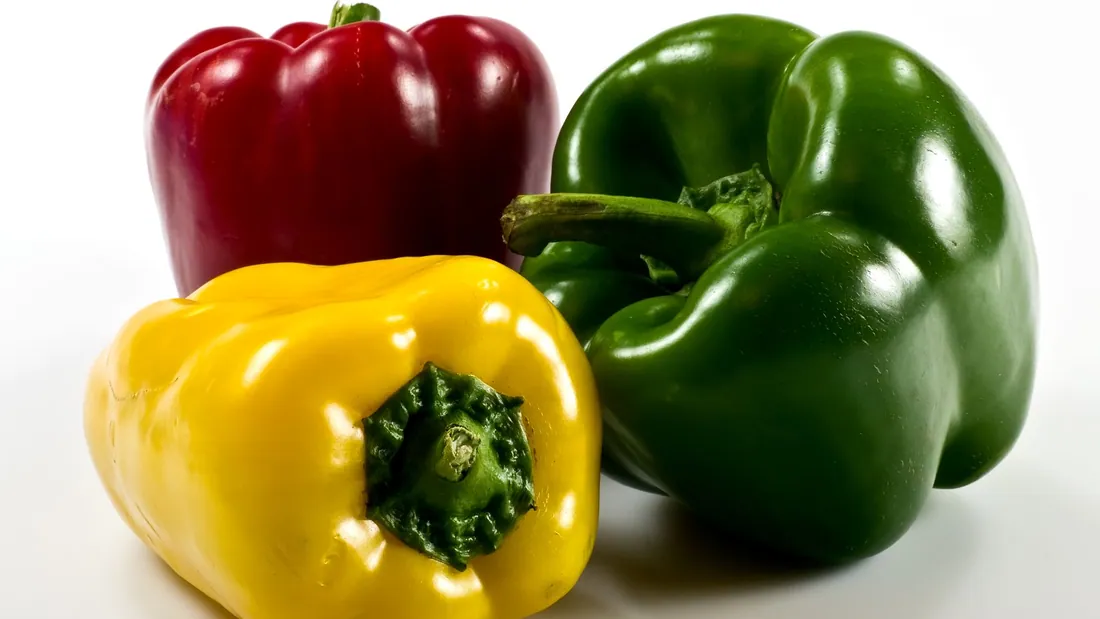

The bell pepper (Capsicum annuum) is an annual fruiting vegetable and a genuinely cold-shy one, the sweet cousin of the chilli, hailing from the warm regions of the Americas. Under a short summer it is demanding: it needs four to five months of warmth before the first harvest, which forces you to sow very early under cover, at the end of winter. It tolerates no frost and yields far better in a greenhouse or tunnel than out in the open wind, especially if you want red fruits and not just green ones.
Light and exposure
The bell pepper demands full sun and warmth, plenty of warmth. Give it the most sheltered and brightest spot you have: a greenhouse, a tunnel, a conservatory, or failing that the foot of a wall that catches the midday sun and releases its heat at night. Below six hours of direct sun a day, the plant lingers and the fruits struggle to ripen.
Under a short summer, shelter makes all the difference. Out in the open vegetable garden, a bell pepper survives but stays stunted and cropping comes late; the same plant in a greenhouse starts two to three weeks earlier and completes its season. If you have no greenhouse, save the warmest corner for it, against a light-coloured facade, sheltered from the wind.
Watering
The bell pepper wants a soil that stays cool and steady, without sudden swings. Water at the base, never on the foliage, preferably in the morning. It is precisely irregular watering that causes blossom end rot, that fruit bottom which blackens and rots, linked to poor calcium transport when the plant goes thirsty then drinks all at once.
In a pot or greenhouse, the growing medium dries fast in full heat and may need water every day at the height of summer. A mulch at the base keeps moisture steady and limits the swings. Reduce watering at the end of the season, when the fruits are finishing reddening and the plant slows down.
Soil and repotting
The bell pepper likes rich, deep, well-drained soil. Work the ground with mature compost or well-rotted manure before planting; it is a hungry feeder and produces for a long time. Heavy, cold soil makes it sulk; if the soil is clayey, lighten it and raise the bed to warm it up.
Never plant out before the last frosts are past and the ground has warmed. Space the plants 40 to 50 centimetres apart. In a pot, allow at least 10 litres per plant, with good drainage at the bottom; in a greenhouse, open ground remains ideal to sustain a long fruiting period.
Temperature and humidity
This is the critical point under any climate with a short summer. The bell pepper grows well between 20 and 28 degrees and stops dead below 12 degrees: the flowers drop, growth stalls. It tolerates no frost, and a single cold night is enough to set a young plant back for several days.
At sowing, it needs warmth: 22 to 25 degrees to germinate, with supplementary light when you sow at the end of winter, or the plants grow leggy. Do not trust a mild spell in spring; late frosts often return for several weeks yet. In a greenhouse, watch out too for excess heat in high summer and ventilate, because above 35 degrees the flowers also abort.
Pruning and upkeep
The bell pepper does not need heavy pruning, but a few gestures help. Many gardeners pinch out the first flower, the one at the central fork, so the plant branches out and yields more afterwards. Stake well-laden plants: the branches are brittle and the weight of the fruit easily flattens them.
During the season, remove yellowed leaves and the low suckers that touch the ground. In a greenhouse, training on two or three main branches, tied in, gives airy, healthy plants. Harvest with secateurs; the stem is woody and snapping off a fruit by hand damages the branch.
Pests and diseases
Under a humid summer, blossom end rot is the most common trouble: the bottom of the fruit blackens and caves in. It is not a disease but a calcium deficiency linked to swings in watering; steadily moist, mulched soil prevents it. Grey mould, botrytis, sets in on tissue damaged by mild, stuffy weather, especially in a poorly ventilated greenhouse.
Among pests, aphids colonise the young shoots as growth starts and transmit viruses; hose them off and encourage ladybirds. In a greenhouse, red spider mite thrives in dry, hot weather and stipples the foliage with yellow dots: mist the paths to raise the humidity. Watch out too for slugs on young plants just set out.
Propagation
The bell pepper is propagated by sowing, and you must start early. Sow at the end of winter indoors, in warmth between 22 and 25 degrees, in a fine compost, barely covering the seeds. Germination takes one to three weeks depending on the warmth; without supplementary light at that time of year, the seedlings grow leggy, so place them as close as possible to a bright window or under a lamp.
Prick out into individual pots as soon as there are two true leaves, and keep the young plants nice and warm until they go out. Taking cuttings is marginal but not pointless: a shoot taken from a favourite plant at the end of the season roots in warmth and can be overwintered in a bright pot. You can save the seeds from a fine, fully ripe red fruit, provided it is not an F1 hybrid.
Climate and hardiness
Where and in which climate it thrives
The bell pepper tolerates no frost at all: it stops dead below 12 degrees, the flowers drop, and a single cold night sets a young plant back for several days. Its optimum lies between 20 and 28 degrees, and fruit set already weakens around 30 degrees during the day and fails altogether above 35. Botanically it is not even an annual: in USDA zone 9b and milder, where frost does not reach the ground, the plant lives for several years and starts away again each season. Everywhere else it is grown as an annual and raised from seed every year.
In a warm climate, Mediterranean or subtropical, the crop is straightforward: sow in place, harvest over a long stretch, red fruits with no effort. The real subject is the temperate climate with a short, cool summer, where the timetable gets tight. Allow four to five months between sowing and the first harvest: you must sow very early in the warmth, between 22 and 25 degrees, with supplementary light or the plants grow leggy, and plant out only once the last frosts are past and the soil has warmed. A late sowing will barely give more than green peppers, since a red pepper is nothing but a green pepper that has reached full maturity. The choice of variety makes up part of the delay: a semi-early type such as 'Doux d’Espagne' takes fewer risks than a late one such as 'Yolo Wonder', which calls for a long summer or a well-heated greenhouse.
Under a short summer, a greenhouse or tunnel is not a luxury but a real boost: the same plant starts two to three weeks earlier there and completes its season. Without shelter, play the warmest wall in the garden, the one that catches the midday sun and gives its heat back at night, and mulch the base. Under a humid summer, that shelter turns against you if it stays shut: powdery mildew and botrytis settle into the stagnant air, so ventilate rather than closing everything by reflex. Under dry heat, on the contrary, shade the plants during the hottest hours so that fruit set holds. And if one plant pleases you, take a cutting at the end of the season and overwinter it warm and in the light, rather than hoping to see it come through the winter outdoors.
Growing bell pepper?
Green Hub keeps a dated history of your own plant: its photos, its progress, its repottings. An AI answers about yours specifically, not a generic sheet, for free.
Identify my plantMonth-by-month care calendar
| January | Nothing to sow yet. Choose the varieties and order the seeds, aiming for early types better suited to a short summer. |
|---|---|
| February | First warm sowings possible, between 22 and 25 degrees, with supplementary light. It is this head start that will allow you to obtain red fruits. |
| March | Full sowing period indoors. Prick out into pots as soon as there are two true leaves, and keep the plants as close as possible to the light. |
| April | Pot on the growing plants and keep them warm. It still freezes outdoors, put nothing out into open ground. |
| May | Harden off the plants during the fine days. Plant in the greenhouse early in the month, in open ground only once the last frosts are past and the soil has warmed. |
| June | Establishment and growth. Stake, mulch the base, water at the base regularly. Pinch out the first central flower if you wish. |
| July | Full flowering and first fruits. Water without swings to avoid blossom end rot. Ventilate the greenhouse in strong heat. |
| August | Start of harvest, mostly green peppers. Watch out for aphids and red spider mites in the greenhouse. Leave a few fruits to ripen for red. |
| September | Full harvest. The fruits left on the plant turn red or yellow. Keep watering while it stays warm. |
| October | Last pickings. Harvest everything left before the first frosts, even green. Bring a potted plant under cover to finish. |
| November | End of the cycle. Pull up the exhausted plants, clean the greenhouse. The bell pepper is an annual, it does not come back. |
| December | Rest. Note the varieties that produced well and, if the fruit was not a hybrid, keep a few seeds for next year. |
Green Hub tips
- Sow very early, at the end of winter, in the warmth and with light. Without this head start, you will only have a few green peppers before the season closes.
- Grow under a greenhouse or tunnel if you can. In the open air under a short summer, the harvest stays late and red is almost impossible to obtain.
- Water at the base, regularly, without swings. It is the best defence against blossom end rot, that bottom rot linked to a lack of calcium.
- No greenhouse? Set the plants against the warmest wall, the one that catches the midday sun, and mulch to keep the soil cool and steady.
Related species
Eggplant
Solanum melongena
The eggplant (Solanum melongena) is the most cold-sensitive and the most heat-hungry of the garden nightshades, even…
Petunia
Petunia
Petunia (genus Petunia), also sold under the name Surfinia for its trailing varieties, is the queen of summer window…
Potato
Solanum tuberosum
The potato (Solanum tuberosum) is one of the most rewarding crops in the vegetable garden: easy, productive and…
Tomato
Solanum lycopersicum
The tomato (Solanum lycopersicum) is the queen of the vegetable garden, but it is a plant of sun and warmth that plays…
Artichoke
Cynara scolymus
The artichoke (Cynara scolymus) is a large perennial with silvery, deeply cut foliage, as striking in an ornamental…
Asparagus
Asparagus officinalis
Asparagus (Asparagus officinalis) is an unusual perennial for a vegetable patch: once established, an asparagus bed…
The guides that mention it
The vegetable garden calendar, from sowing to harvest
Two dates are enough to build an entire vegetable garden year: your last spring frost and your first autumn frost.…
Making Compost: Steering the Thermal Biology of the Heap
A compost heap is not a pile of waste you stir, it is a thermal process you steer. The real carbon/nitrogen ratio of…
Garden Mulching: Every Mulch Has an Effect and a Drawback
Mulching is presented everywhere as a benefit with no downside. There is one for every material: what nitrogen drawdown…
Garden Diseases: Recognising What Is Attacking Your Plants, and Acting Before the Spot Appears
A white bloom that wipes off on a fingertip, an angular lesion stopped dead by a vein, a fruit browned from the bottom…
Gardening on a Balcony or Terrace: Vegetables and Flowers in Pots
Weight, wind, exposure: what really changes when you garden up high instead of in open ground, and how to choose your…
Rainwater Harvesting for the Garden: Choosing and Sizing Your System
Rain barrel, above-ground tank, or underground cistern: how to choose the right size so your vegetable garden no longer…
Gardening Under a Greenhouse or Cold Frame: Growing All Year Round
A greenhouse or even a simple cold frame changes everything: sowings brought forward by several weeks, harvests…
Sowing Seeds Successfully: Why It Fails, and What Fixes It
A seed that never comes up was not unlucky. Germination temperatures by species, correct depth, seeds that need light,…
Updated on
How this sheet is written
Written for Green Hub with the help of language models, then reviewed. It offers gardening guidance, not professional advice: if you are unsure whether a plant is toxic to a child or an animal, ask a vet, a doctor or your national poison centre.