Rosemary
Salvia rosmarinus
.jpg)
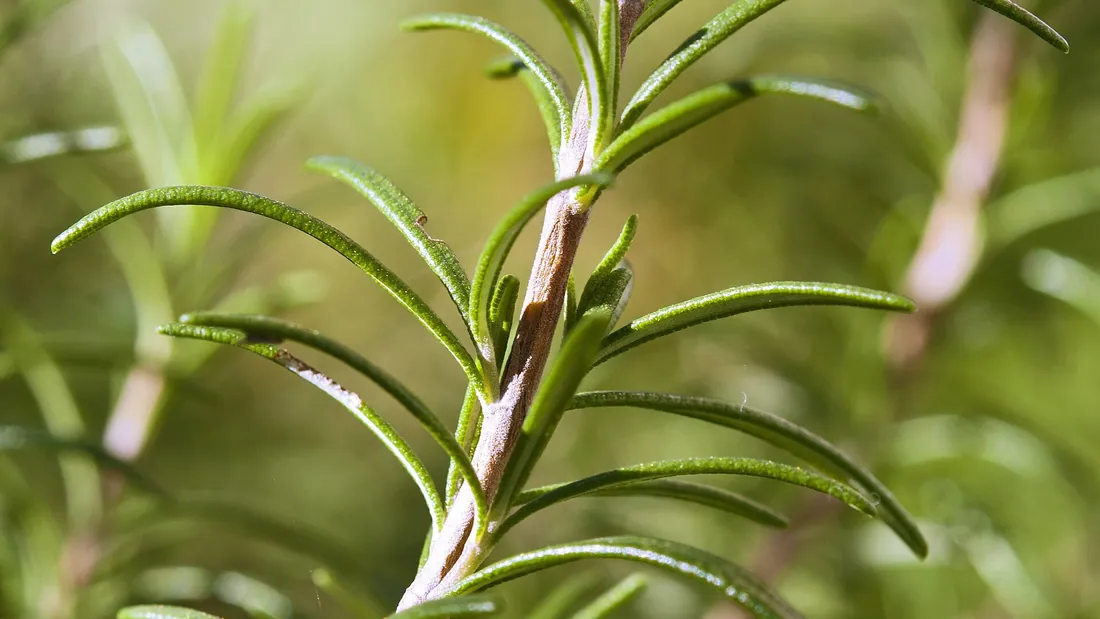
Rosemary (Salvia rosmarinus, long known as Rosmarinus officinalis) is an evergreen Mediterranean shrub with needle-like leaves and a resinous scent. Unlike thyme or chives, it is only semi-hardy away from its native climate: it withstands moderate frosts but suffers in hard cold spells, especially if its roots sit in damp soil. In a cool climate, you can succeed with it by planting it in a dry, sunny spot, or in a pot so you can shelter it during harsh winters. A well-placed rosemary can grow into a fine shrub lasting several years.
Light and exposure
Rosemary demands full sun and warmth. Give it the warmest, most sheltered spot in the garden, ideally against a wall that catches the midday sun, radiates heat and shields it from the prevailing cold winds. The less sun it gets, the less it flowers and the less fragrant it is.
This warm exposure has a double benefit in a cool climate: it encourages growth in summer and gives the plant the best chance of surviving winter, keeping it dry and gaining a few degrees at the foot of the wall. In a pot, place it in full sun and plan to be able to move it under shelter in winter.
Watering
Rosemary, like other garrigue plants, dreads excess water. Once established in the ground, it makes do with rainfall and only needs watering during marked drought. A rosemary that yellows and declines is far more often suffering from waterlogged soil than from thirst.
In a pot, let the top of the substrate dry out between waterings and water moderately. In winter, cut back sharply: a waterlogged pot that freezes is the most common cause of rosemary loss under a rainy winter.
Soil and repotting
Drainage is essential. Rosemary wants light soil, stony or sandy, rather chalky and poor, where water never stagnates. Heavy clay soil, wet all winter, is fatal to it.
On heavy ground, plant it on a mound, work in gravel or coarse sand, or grow it in a large pot with a free-draining substrate and a thick drainage layer at the bottom. Avoid nitrogen-rich feeds, which produce soft, water-filled growth that is more frost-sensitive and less fragrant.
Temperature and humidity
This is the tricky point away from a Mediterranean climate. Rosemary is only semi-hardy: it tolerates moderate frosts, around minus ten to minus twelve degrees for the common varieties, but suffers or even dies in prolonged hard cold, especially combined with damp soil. It is therefore not as reliable a winter perennial as thyme or chives. The variety 'Arp', selected in the United States for cold resistance, takes considerably more, around minus fifteen to minus eighteen degrees in soil that stays dry through winter.
Two strategies work. In the ground, plant it at the foot of a wall that catches the midday sun, in very well-drained soil, and protect the crown with a dry mulch and the foliage with a winter fleece when cold snaps are forecast. Safer still, grow it in a pot that you bring into a cool, bright, frost-free space, a veranda or a cold greenhouse, during hard cold spells. Upright varieties are a little hardier than trailing ones.
Pruning and upkeep
Prune rosemary after flowering to keep it compact and to stop it becoming bare and too woody. Cut back the current year’s growth by a third, without cutting into the old bare wood, which regrows poorly or not at all.
Light, regular pruning extends the shrub’s life and maintains a nice shape. Avoid pruning at the start of winter: the young shoots produced by a late cut would be soft and would freeze. Save pruning for spring and early summer.
Pests and diseases
Well placed in the dry, rosemary is tough. Its main enemy under a wet winter remains root rot caused by soil that is too waterlogged, rather than a pest. A plant that turns brown and dries out has most often had its roots in water or has frozen.
Among pests, the rosemary beetle, a small beetle whose larvae devour the foliage, can appear. Powdery mildew sometimes coats the young shoots in damp, still weather. Good airflow, well-drained soil and a sunny exposure are usually enough to keep the shrub healthy without treatment.
Propagation
Rosemary is mainly propagated by cuttings, the most reliable method. In summer, take ten-centimetre cuttings of semi-woody stems, remove the lower leaves and plant them in a sandy mix kept just moist, out of direct sun. Rooting takes a few weeks.
Layering works just as well: lay a low stem on the ground, cover it with soil leaving the tip exposed, and it roots on its own. Sowing is possible but slow, unpredictable and not true to variety, so cuttings are clearly preferred, giving a true-to-type plant that is already robust.
Climate and hardiness
Where and in which climate it thrives
Rosemary is hardy to around minus ten to minus twelve degrees for the common varieties, which puts it in USDA zone 8; the American selection 'Arp' takes minus fifteen and even minus eighteen degrees in soil that stays dry, and so reaches zone 7. Those figures only hold in free-draining ground: cold and water together kill a plant long before the thermometer alone would.
It is at home in a Mediterranean or semi-arid climate, mild winter and dry summer, where it becomes an open-grown shrub you can forget about once it is established. It struggles wherever winter is cold and wet at the same time: under an oceanic climate its roots sit for weeks in cold waterlogged soil, and that is what loses it, far more than the frost itself. Under a continental climate with a hard winter, below its hardiness limit, it is grown in a pot and overwintered under cover. In a humid subtropical climate the heat is no problem, the air moisture and the summer rain are.
Two ways of growing it follow. Open ground is for well-exposed positions only: plant once the last frosts are past, against a wall that catches the midday sun, in soil lightened with gravel, then protect the crown with a dry mulch and the foliage with a horticultural fleece when hard cold is forecast; there, a variety known to be hardy such as 'Arp' gives a real margin of safety. On heavy ground, or under a harsher winter, pot cultivation is safer: the growing season outdoors in full sun, overwintering in a cool, bright, frost-free space, a veranda or a cold greenhouse. Either way, cut watering back sharply through the cold season, and prefer an upright variety to the trailing forms, whose foliage lies flat on the ground and traps stagnant damp.
Growing rosemary?
Green Hub keeps a dated history of your own plant: its photos, its progress, its repottings. An AI answers about yours specifically, not a generic sheet, for free.
Identify my plantMonth-by-month care calendar
| January | The heart of winter, the risky period. Protect the crown in the ground, bring pots into a frost-free space during hard cold. Almost no watering. |
|---|---|
| February | Still watchful over frost. Keep the protection in place. Check that nothing is stagnating at the base. Very reduced watering. |
| March | Recovery with the milder spells. Gradually remove the protections. A good time to plant in well-drained soil or repot. |
| April | Growth restarts. Ideal spring planting for good rooting before winter. Bring out the overwintered pots. |
| May | Bluish, nectar-rich flowering. Fine growth in the sun. First stem harvests. Wait until the last frosts are past to safely bring out a fragile pot. |
| June | Full growth. Prune after flowering to keep the shrub compact, without cutting into the old wood. Abundant harvest. |
| July | Growth and harvest. A good time to take cuttings of semi-woody stems. Water only during marked drought. |
| August | Ongoing harvest. Layering is possible. Rosemary copes well with heat, water only during prolonged heatwaves. |
| September | End of the growing season. Prune no more, the soft regrowth would not survive the cold. Prepare for overwintering. |
| October | Entering the risky season. Reduce watering. Mulch the crown in the ground, plan to bring pots in. |
| November | Put the protections in place before the first hard frosts: winter fleece outdoors, a frost-free space for the pots. |
| December | Overwintering. Evergreen foliage, harvest a few sprigs still. Protect from hard cold and keep the base dry. |
Green Hub tips
- Rosemary is not fully hardy outside its Mediterranean range: protect the crown in the ground during hard cold, or grow it in a pot to bring in frost-free.
- Cold plus damp soil equals a dead plant. Drainage and near-zero watering in winter matter as much as frost protection.
- Plant at the foot of a wall that catches the midday sun: the radiated heat and shelter from the wind give it its best chance of surviving winter.
- Propagate by cuttings rather than sowing: cuttings give a true-to-type, already robust plant, while sowing is slow and unpredictable.
Related species
Basil
Ocimum basilicum
Basil (Ocimum basilicum) is an annual, cold-sensitive herb that comes from the warm regions of Asia. It is a summer…
Lavender
Lavandula angustifolia
True lavender (Lavandula angustifolia) is a hardy Mediterranean plant that scents the air and draws bees all summer…
Lemon balm
Melissa officinalis
Lemon balm (Melissa officinalis) is a hardy perennial with crinkled foliage that gives off a lemon scent the moment you…
Marjoram
Origanum majorana
Marjoram is the gentle cousin of oregano: same family, but a finer, sweeter and less pungent scent, much prized in…
Mint
Mentha
Mint (Mentha) covers several species and hybrids, from spearmint to peppermint, all perennial and fragrant. It is a…
Oregano
Origanum vulgare
Oregano (Origanum vulgare) is a tough, perennial herb built for sun and dry soils. Here is the good news: it is fully…
The guides that mention it
Easy herbs to grow
Thyme, rosemary, basil, parsley, mint: which ones make it through the winter outdoors, which ones self-seed, and how to…
Watering Plants Properly: Deciding Rather Than Following a Schedule
Beginners water too often and too little at the same time. How to read the soil instead of the calendar, tell thirst…
Overwintering your plants without losing them
Clivia, lavender, verbena, geranium, olive: which to bring indoors, which to protect outside, which to leave to face…
Making Compost: Steering the Thermal Biology of the Heap
A compost heap is not a pile of waste you stir, it is a thermal process you steer. The real carbon/nitrogen ratio of…
Garden Mulching: Every Mulch Has an Effect and a Drawback
Mulching is presented everywhere as a benefit with no downside. There is one for every material: what nitrogen drawdown…
Pruning Flowering Shrubs and Roses: Deducing Instead of Memorising
New wood or old wood: this single question gives you the pruning time for any shrub at all, including ones whose name…
Gardening on a Balcony or Terrace: Vegetables and Flowers in Pots
Weight, wind, exposure: what really changes when you garden up high instead of in open ground, and how to choose your…
Wildflower Meadows and Beneficial Insects: Gardening for Biodiversity
Ladybirds, hoverflies, wild bees: how a wildflower meadow and a few simple habits turn an ordinary garden into a refuge…
Updated on
How this sheet is written
Written for Green Hub with the help of language models, then reviewed. It offers gardening guidance, not professional advice: if you are unsure whether a plant is toxic to a child or an animal, ask a vet, a doctor or your national poison centre.